
Vintage visual
Visual Studio Code is a lightweight but powerful source code editor which runs on your desktop and is available for Windows, macOS and Linux. It comes with built-in support for JavaScript, TypeScript and Node https://funny2minutes.com/tech/the-rise-of-humanoid-robots-from-uncanny-valleys-to-multisensory-integration/.js and has a rich ecosystem of extensions for other languages and runtimes (such as C++, C#, Java, Python, PHP, Go, .NET).
These Build Tools allow you to build Visual Studio projects from a command-line interface. Supported projects include: ASP.NET, Azure, C++ desktop, ClickOnce, containers, .NET Core, .NET Desktop, Node.js, Office and SharePoint, Python, TypeScript, Unit Tests, UWP, WCF, and Xamarin. Use of this tool requires a valid Visual Studio license, unless you are building open-source dependencies for your project. See the Build Tools license for more details.
The Visual Studio IDE is a creative launching pad that you can use to edit, debug, and build code, and then publish an app. Over and above the standard editor and debugger that most IDEs provide, Visual Studio includes compilers, code completion tools, graphical designers, and many more features to enhance the software development process.
Tackle complex, multi-step tasks. Agent mode reads your codebase, suggests edits across files, runs terminal commands, and responds to compile or test failures — all in a loop until the job is done. Further refine agent mode to fit your team’s workflows with VS Code extensions and Model Context Protocol (MCP) servers.
Visual Studio is the fastest IDE for productivity. Target any platform, any device. Build any type of application. Work together in real time. Diagnose and stop problems before they happen. It makes the stuff you do every day more fluid and responsive.
Retro graphic
Retro design elements can bring a unique and nostalgic touch to modern projects. It’s important to balance the old with the new to create something truly engaging. Blending classic influences with contemporary aesthetics can create timeless works that resonate with a wide audience, making retro style feel fresh.
Brands looking to embrace nostalgic design can follow these strategies: Research the Target Audience – Understand the era that resonates most with your audience. Combine Old with New – Blend vintage aesthetics with modern elements to keep designs fresh. Use Authentic Elements – Incorporate textures, fonts, and colors true to the era. Tell a Story – Nostalgia works best when it evokes memories and emotions through storytelling.
With Picsart you can effortlessly make your own retro pop art designs, there’s an entire category of effects and filters dedicated to pop art. Whether you’re turning your selfies retro or making pop art out of mainstream art, the process is the same.
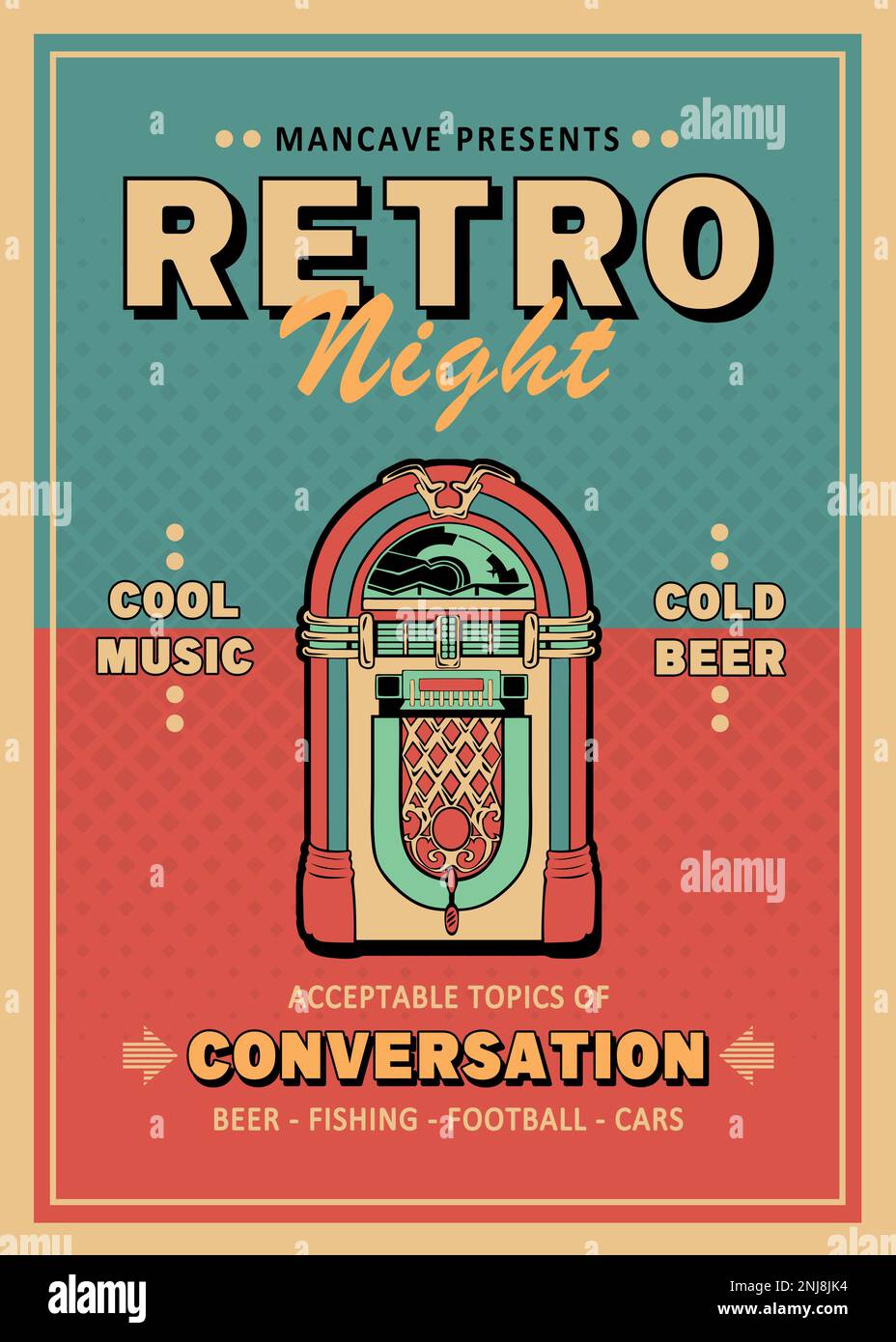
Retro design elements can bring a unique and nostalgic touch to modern projects. It’s important to balance the old with the new to create something truly engaging. Blending classic influences with contemporary aesthetics can create timeless works that resonate with a wide audience, making retro style feel fresh.
Brands looking to embrace nostalgic design can follow these strategies: Research the Target Audience – Understand the era that resonates most with your audience. Combine Old with New – Blend vintage aesthetics with modern elements to keep designs fresh. Use Authentic Elements – Incorporate textures, fonts, and colors true to the era. Tell a Story – Nostalgia works best when it evokes memories and emotions through storytelling.
Cinematic artwork
Framed in a discussion between the characters Joe and Seligman, Lars von Trier informs almost every scene of his film with the idea of the lure. Seligman’s enthusiasm for fly fishing compares with Joe’s sexual lures to sate her own passions. But is Seligman what he seems to be? Joe constantly reminds him that she is not a good person, and that his sentiments will change once her story has been told. So to does director von Trier cast his own lure, with Seligman revealing his true nature once Joe completes her story.
Yet Storaro is clearly fascinated by painting: Writing With Light contains reproductions of over 100 paintings, and one of these, Caravaggio’s The Calling of St. Matthew (1599–1600), helped inspire him to go into cinematography. In Apocalypse Now (arguably his most visually striking film, though it has some stiff competition), he clothes the actors in sickly yellowish light and baleful shadows, producing a chiaroscuro that would have made Caravaggio jealous. For Storaro, as with Caravaggio, the play of light and shadow isn’t just a nifty effect, but a way of suggesting a figure’s state of mind. Apocalypse Now’s Colonel Kurtz straddles madness and civilization, and Storaro’s bold lighting choices render the character’s inner decay visible on-screen.
It would take an entire article to list all the visual references Claro crams into this 8-minute sequence, in which the film’s two narrative threads—one concerning the lives of a wealthy, wretched family; the other, the destruction of the entire planet—merge sublimely (and ridiculously). Even so, Melancholia’s allusion to Millais merits special attention. In Millais’s painting—and in the original Shakespearean play—Ophelia is the victim of Hamlet’s cruelty, as well as her own unbalanced psyche. How right for Claro to connect Ophelia and Justine, the doomed heroine of Melancholia, whose inner trembling is somehow both an omen and a cause of apocalypse.

Framed in a discussion between the characters Joe and Seligman, Lars von Trier informs almost every scene of his film with the idea of the lure. Seligman’s enthusiasm for fly fishing compares with Joe’s sexual lures to sate her own passions. But is Seligman what he seems to be? Joe constantly reminds him that she is not a good person, and that his sentiments will change once her story has been told. So to does director von Trier cast his own lure, with Seligman revealing his true nature once Joe completes her story.
Yet Storaro is clearly fascinated by painting: Writing With Light contains reproductions of over 100 paintings, and one of these, Caravaggio’s The Calling of St. Matthew (1599–1600), helped inspire him to go into cinematography. In Apocalypse Now (arguably his most visually striking film, though it has some stiff competition), he clothes the actors in sickly yellowish light and baleful shadows, producing a chiaroscuro that would have made Caravaggio jealous. For Storaro, as with Caravaggio, the play of light and shadow isn’t just a nifty effect, but a way of suggesting a figure’s state of mind. Apocalypse Now’s Colonel Kurtz straddles madness and civilization, and Storaro’s bold lighting choices render the character’s inner decay visible on-screen.
It would take an entire article to list all the visual references Claro crams into this 8-minute sequence, in which the film’s two narrative threads—one concerning the lives of a wealthy, wretched family; the other, the destruction of the entire planet—merge sublimely (and ridiculously). Even so, Melancholia’s allusion to Millais merits special attention. In Millais’s painting—and in the original Shakespearean play—Ophelia is the victim of Hamlet’s cruelty, as well as her own unbalanced psyche. How right for Claro to connect Ophelia and Justine, the doomed heroine of Melancholia, whose inner trembling is somehow both an omen and a cause of apocalypse.